Sister city Fragrances from Bulgaria
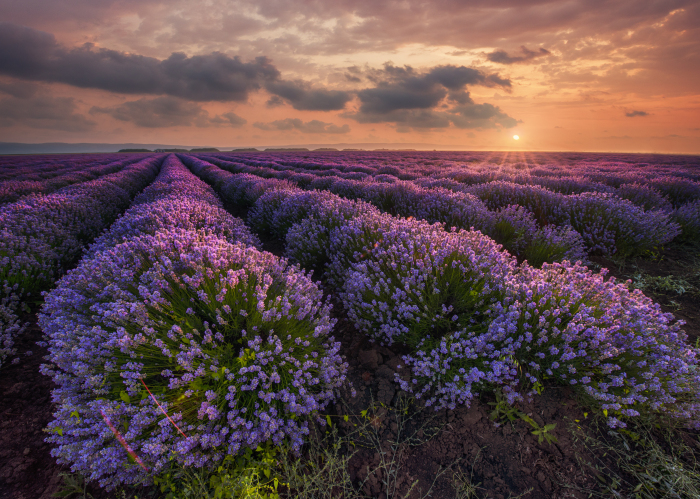
The blue-violet beauty of the lavender fields conquered the heart of Krassimir Matarov and he embarked on a several-year search for these visions all over Bulgaria, alongside with his colleague Ruslan Asanov. Back then the aromatic fields were not marked on the geographic maps, there were no signposts and directions, and those few who have already found the seas of lavender were fervently keeping the secret. That is why the two photographers traveled for a long time, talked to experts, pursued the purple and pink visions along the way, and then tirelessly waited for the right moment of the perfect shot. Nowadays the tiny hidden lavender fields have become an enormous source of a fast-growing industry for Bulgaria and attract thousands of tourists every year who desire to look, touch, breathe the fragrance and take photographs of the delicate purple plants.
The Rose Valley near Kazanlak is the home of the magnificent and unique Bulgarian rose, whose cultivation and processing to rose-oil is a centuries-old tradition in Bulgaria. The roses, as well as the customs around them, have become the heart of this Bulgarian region and a reason for pride of the whole nation. Let's explore together the magic of the mesmerizing Bulgarian lavender and rose through the eyes of the talented photographers.
Exhibition is prepared by State Institute for Culture at the Minister of Foreign Affairs
Photos Krasimir Matarov, Ruslan Asanov
Texts Ina Guerdjikova
Special thanks to Museum of Rose – Kazanluk
_page_break_tag_About the authors
Krasimir Matarov
Krasimir Matarov is a professional photographer, born in Blagoevgrad and based in Sofia, Bulgaria. The talented artist finds his inspiration in landscape and macro photography. He has participated in number of master classes of the World Photographic Organization and is often invited as a jury in international photo contests. Krasimir's creative vision is recognized through numerous awards from national and international photography contests. The photographer is winner in the 2013 Sony Competition in "Nature and Wildlife" category. According to Topteny.com, Krasimir is among the top 10 photographers in the world. Mr. Matarov has presented several solo exhibitions and took part in numerous exhibitions of various artist.
Krasimir shares his professional experience through teaching photography lessons in different schools for 7 years, as well as beginner and advanced courses in photography and Photoshop. The photographer also organizes and hosts landscape and macro seminars, workshops and master classes. Particularly fascinating are the phototrips and photographic adventures, in which the Krasimir and his team take people who are passionate about photography to picturesque locations around Bulgaria to teach them on spot about specific photographic techniques.
"Photography gives me the opportunity to blend in with nature, communicate with it and show some of this dialogue in my pictures".
Ruslan Asanov
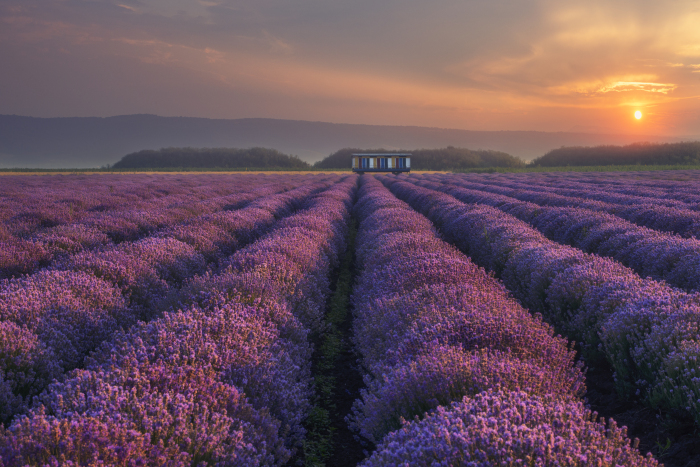
Ruslan Asanov is a Bulgarian photographer who expresses his artistic inspiration in landscape and astrophotography. Ruslan is winner of a number of prestigious photography awards, including Sauod Al-Thani in 2015 with an exhibition in Doha, Qatar, his photography was included in the 100 Best Photos of the Year at the International 35 Awards 2016, participated in exhibition in Moscow, Russia.
With Krasimir Matarov they are organizing photo trips all over Bulgaria to share the beauty of the country and their professional experiences with future photographers. Their joint project can be found at www.europhototour.com
_page_break_tag_Lavender at First Sight(晨曦下的薰衣草)
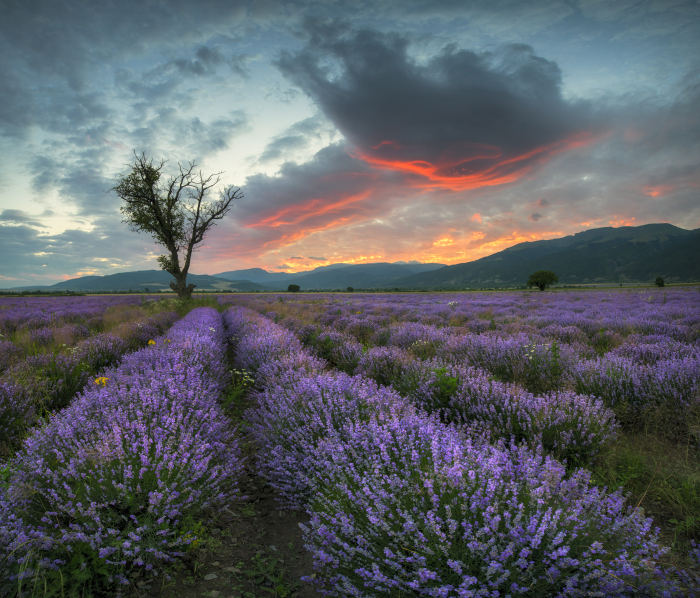
The first glance at the lavender field fills the spectator with excitement, summer careless feelings and a magical aroma. There are 47 varieties of the aromatic pale-purple herb plant in the world and the main purpose for its cultivation is the extraction of lavender essential oil – with soothing, curing effect and last but not least with a captivating aroma. The perfectly aligned rows of lavender shrubs extend to the horizon. Of course, the first reaction of newcomer is to immediately capture the moment in a photograph. The gentle color and scent make the spectators to unnoticeably leave his thoughts and the perception of time and embark on the lavender feeling.
Lavender Soul(薰衣草的灵魂)
We have to admit that the delicacy and tenderness of the lavender color may only be compared to its intoxicating aroma. The first recorded mention of lavender as a color in English is back in 1705. The pale-purple color affects the human psyche, stimulating creative impulses and inspiration - so it is not surprising that the plant is a favorite inspiration of the photographer. The lavender color is associated with the imagination and the vision for the future, but mostly it sooths the soul putting thoughts and emotions in harmony. Numerous artists, writers and musicians find inspiration in the gentle lavender fields, because they radiate a perfect combination of power and modesty. The plant is a symbol of love, ethereality, tranquility and purity.
Lavender Roots of Origin(薰衣草的起源)
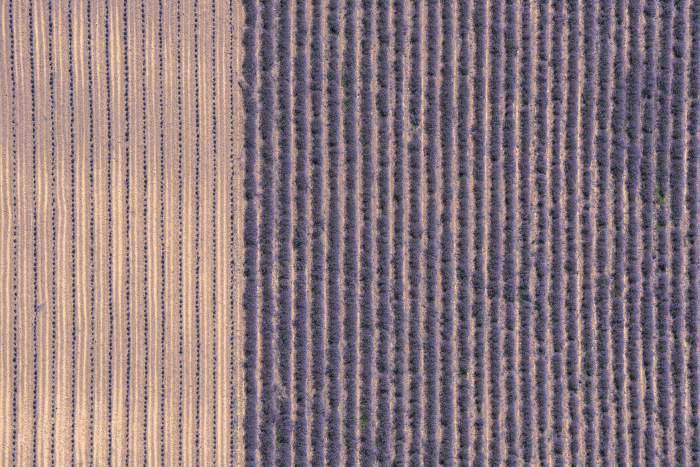
The word "lavender" originates from the Old French "lavare", meaning "wash", others believe it comes from the Latin „livere“, which means "bluish". Researchers believe the plant originates from the Mediterranean, the Middle East and India, and its history dates 2500 years back in time. The ancient Romans valued lavender so high that its price per kilogram exceeded farmers' monthly woes. The Romans used it as a scent to their baths and studied its medical properties. Today the pale-purple aromatic plant is grown all over the world - Bulgaria, France, Australia, USA, China, India, England, Italy and many others.
History of Bulgarian Lavender(保加利亚薰衣草的历史)
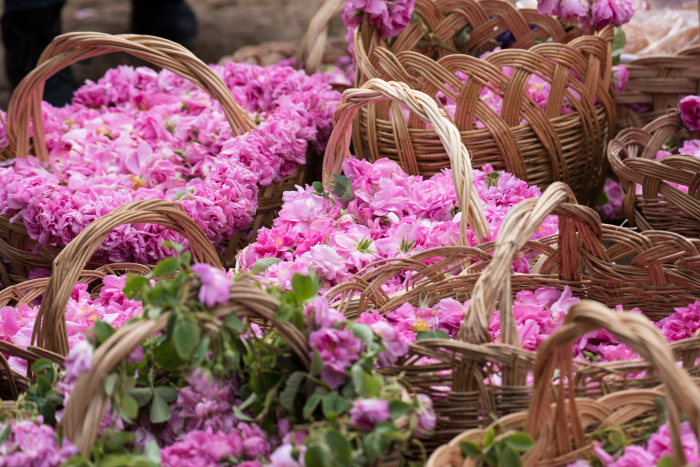
When lavender arrived to the fertile fields around Kazanlak in 1907, Bulgaria has already gained a centuries-old experience in cultivation of oil-bearing roses and production of rose oil. Nevertheless, lavender quickly finds a spot in the hearts of the Bulgarians, next to the emblematic oil-bearing rose. Until the end of the 1980s, the aromatic purple plantations are grown mainly in the regions of Plovdiv, Stara Zagora, Pazardjik and Blagoevgrad and today they are already enveloping the whole country. In terms of industry: the figures are going up with each passing year.
Leader in Production(薰衣草生产大国)
Since 2012, Bulgaria is the world's largest producer of lavender oil, surpassing the production of France. Worldwide, about 400 tons of oil are produced and marketed, of which approximately 170 tons are harvested in Bulgaria. Farmers count on EU farming funding and the unpretentiousness of culture to restore the Bulgarian traditions of growing the fragrant plants. The following four years the fields of lavender essential oil crops increased by nearly 70%, reaching 7 000 hectares in 2016. And in the last years the productivity from these fields increased by 400%. These fields of lavender magic are under the devoted care of nearly 1100 registered producers. Bulgarian lavender oil is among the most valued on the international market and its price reaches EUR 90 per kilogram.
Geography of Lavender in Bulgaria(薰衣草在保加利亚的分布)
Lavender is not a capricious plant, so it grows with ease both in the sunny Dobrudzha fields, near the Black Sea coast and also nestled in the Sub-Balkan mountain region. The largest massifs with the ethereal culture are situated in the municipalities of General Toshevo - 7800 decares, and the Dobrich district - 7700 decares. Once planted and cultivated with devotion each year, the aromatic purple bushes give a rich harvest for years ahead. Lavender starts to blossom at the end of May, the harvesting begins at the beginning of July, when the flowers are almost fully blossomed and budding with aromatic oil. The harvesting begins from Dobrudja and the massifs by the sea and the last working essential oil distilleries for the season are those around Panagyurishte, where the ethereal plants bloom last because of the mountain climate.
How to Find a Lavender Field? (如何找到薰衣草田?)(Photograph with hive)
Three years and hundreds of kilometers in search for the perfect and most photogenic lavender fields - Krasimir travels constantly and frequently stops, asks for directions, led by the fragrance and the lavender mirages by the road. A charming sign of a nearby lavender field usually is a beehive situated close to the plantations. Lavender is one of the most favorite flowers of bees and the natural lavender honey can only be compared in sweetness to the carelessness that engulfs one, allowing the delicate purple color to fill his gaze at the dawn of a summer day.
The Time for Lavender(薰衣草最佳拍摄时间)
An intriguing detail is the lavender fields welcome photographers and admirers only for a few days a year. There is no other time to capture a lavender field in a shot, but the several days in the second half of June, between the beautiful blossoming of the lavender plants and the harvest of the aromatic plants. This is when the photographer explores the views of the enchanting lavender fields to capture them in a photograph. The best time of the day to shoot a stunning lavender photograph is early in the morning, when sunlight awakens over the pale-purple plants and at dusk, when they slowly fall into a fragrant dream.
Enyovden, the Celebration of Herbs(Enyovden草药节)
The power of healing herbs has always been honored in the Bulgarian folklore tradition and the culmination of the lavender fields harvest is aligned with a bright Bulgarian holiday - Enyovden, 21 June, also celebrated around the world as Midsummer. According to the popular beliefs, from this date on the duration of the day begins to decrease, and the months head on their way to winter. It is believed that the plants and herbs have the greatest healing power when harvested before dawn on Enyovden. However, the sleepy lavender can wait until the hottest hours of the day, as the blossoms need to be warmed up by the sun to fill with aromatic lavender oil.
Distillation of Lavender Oil(蒸馏薰衣草油)
The essential oil of lavender is derived as a result of steam distillation, similar to the rose oil extraction, a process in which Bulgaria has a centuries-old tradition. Approximately, between 40 and 60 kilograms of lavender flowers are needed for the production of a kilogram of lavender oil. The use of the lavender essential oil is most versatile in the cosmetic and pharmaceutical industries, in natural medicine, even in the culinary industry. Essential oil with the emblematic odor is widely used for aromatherapy.
Lavender Health and Taste(薰衣草健康与美味)
The effect of the aromatic plant on health is medically proven. Lavender has s relaxing effect and reduces stress, contributes to quality sleep, soothes the skin and brings a number of other health benefits. Because of its calming properties on the nervous system, lavender essential oil is widely used in aromatherapy and SPA procedures. We also find it in culinary - in the form of relaxing tea, spice for a number of traditional dishes and desserts. Lavender honey has a delicate and extraordinary flavor and a number of scientific observations confirm that bees are especially searching for the lavender herb.
Lavender travel with a camera(旅拍薰衣草)
When we travel the world today, we are looking for brilliant stories to tell. The modern travelers appreciate unique experiences, so in recent years tourist interest in lavender fields has also risen. One such adventure is a photographic trip, or a photo safari, to a Bulgarian lavender field. Krasimir leads such excursions for a professional photographic lesson or a special photo shoot. The liveliness of the aromatic fields occurs at dawn and at dusk - the right time when light is most gentle to lavender nuances.
The perfect shot(最佳视角)
Photographers from all around the world travel thousands of miles to shoot the Bulgarian blossoming lavender fields. While the result has a sense of grace and spontaneity, the perfect frame is the result of true mastery. Krasimir always looks for a typical accent in the background of the lavender photo, a story that surrounds the purple aromatic rows. For example: a lone, thinking tree or the confident silhouette of the mountains in the distance - the lavender landscape becomes complete. In search of touching, emotional and intriguing cadres, the photographer assesses whether the planting lines are symmetrical and straight, whether the field has undergone weed processing and if it possess this recognizable accent in the background. Permission for access to the lavender field to take pictures is also required from plantation owners.
Midnight in the lavender field (午夜的薰衣草田)(pictures with wind turbine's red lights)
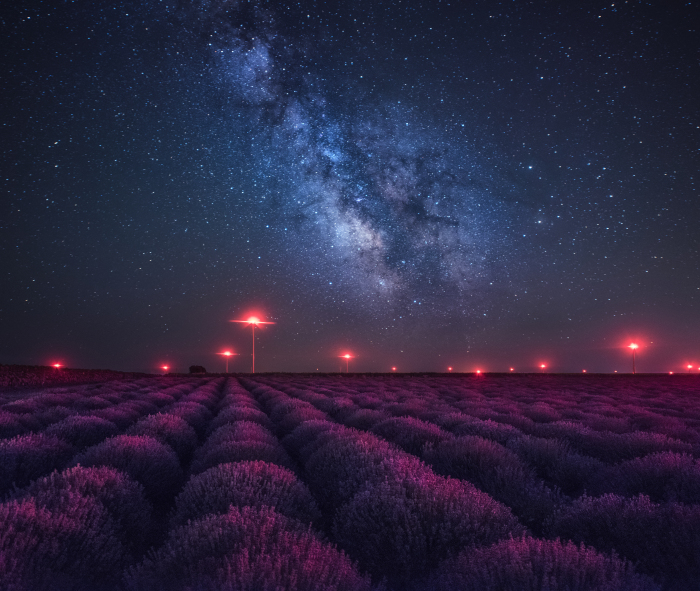
The search for the perfect shot can take years, and Krasimir's passion for aesthetics of lavender fields leads him to Kaliakra. The photographer has long sought the right place to capture the night sky over the sleepy aromatic lavender plants. It is at dusk, and he finally feels like finding the best field of endless purple rows disappearing behind the wind turbines in the distance. Krasi plans to take the picture the next evening and leaves to take a rest. However, a strange premonition makes him go back and take that magnificent shot of the night sky with the Milky Way over the lavender field that the same night. The next morning, workers have begun to reap the harvest. Destiny?
The Lavender Festival(薰衣草节) (Transition to Roses)
Following the centuries-old celebration of the Rose Holiday, lavender also gains its special day of celebration in the areas of its cultivation. In the last years, the lavender holiday gathers thousands of guests from Bulgaria and abroad. The International Festival of Lavender, Essential Oils and Herbs presents a folklore program, lavender and rose products tasting, a demonstration of lavender oil extraction, a visit to lavender fields etc. Its purpose is to attract awareness to the delicate aromatic plant as an industrial and agricultural resource and to contribute to the harmonious relationships between the various units - from the cultivation process through the extraction of essential oil to its application in the industry.
The Queen of the Rose Valley(玫瑰谷的皇后)
The beginning of the summer in Bulgaria is marked by a number of special days, but one of the most remarkable is the Rose Festival in Kazanlak and the region. The festivities at the beginning of June are a culmination of the oil-bearing rose harvest and symbolize the devotion to the rose oil and gratitude for the livelihood it provides to the towns and villages, situated in the Rose Valley. Every year at the Rose holiday is chosen the Queen Rose, a beautiful local girl who marks the beginning of the celebration, symbolically picking up an oil-bearing rose from the field. The rose celebration is held since 1903 and today it gathers thousands of tourists every year who arrive in Bulgaria especially to feel the ethereal colors and fragrances of the unique Damascene Rose.
History of the Bulgarian rose oil(保加利亚玫瑰油的历史)
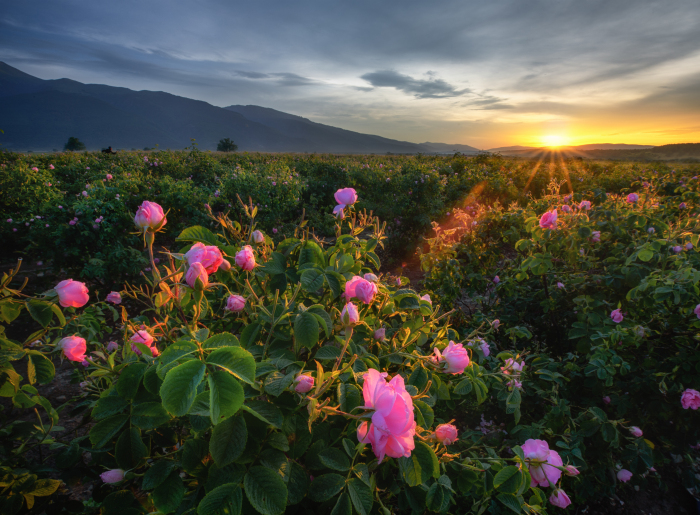
The fascinating journey of the oil-bearing rose through history is comparable only to a fairytale. The roots of its origin are found in Antiquity. It is believed that growing roses with the purpose to obtain essential oil and rose water began in India and Ancient Egypt and was later conveyed to Persia and Tunisia. One of the earliest records of the delicate plant we find in the Iliad and the Odyssey by Homer. The Arabs contribute to rose history with the process of extraction of rose water and rose oil by distillation of delicate rose flower. The first record of rose plantations in Bulgaria is from the 17th century, and today the country is one of the world's largest producers of rose oil. Rose oil and rose water are traditionally used to soothe and restore the skin because of their anti-inflammatory, cooling and soothing effects, along with their magnificent aroma.
The Bulgarian rose tradition(保加利亚玫瑰传统)
The romantic name of the Rose Valley creates a sense of ethereality and a delicate scent of freshly blossomed roses. This is the region between Kazanlak and Strelcha, where the climate for oil-bearing roses is most favorable. This is where Rosa Damascena or Kazanlak Rose, among other oil-bearing rose varieties, reveals its full charm and potential, because of the favorable combination of climate, soil and special care from the producers. The numerous attempts for growing Rosa Damascena anywhere else around the world have minor success.The Bulgarian rose oil is protected by a European Union patent as a geographical indication in 2014. In Bulgaria, the Rosa Damascena distillation process has become a science: an Institute devoted to Rose growing is based in Kazanlak, along the world's only Rose Museum, presenting the history of the aromatic plant and the rose production tradition in the country.
Rose harvest and distillation(玫瑰丰收和蒸馏)
The rose harvest in the Rose Valley lasts only about a month, providing the main livelihood of the entire region. The harvest of oil-bearing rose flowers begins no later than 5-6 May, and the rose blooms are picked only by hand. The race with the rising sun in morning is of the utmost importance, because the quality of the essential oil in the enchanting flowers is the highest at dawn (from 5 am to 10 am) - before the dew is up and while the sun is still low. The tender rose flowers must be harvested and processed in a distillery within the same day. The fresh rose oil is extracted through steam distillation in large stills, traditionally of copper, which are filled with roses and water. The Bulgarian rose oil is remarkable due to its ingredients and it contains around 300 different substances. The Bulgarian rose oil is considered a product without expiration date.
The Liquid Gold(黄金液)
This rose oil pseudonym is not just a poetic comparison but also it reflects the real value of the emblematic aromatic essential oil. Its price can easily be compared to that of pure gold: 10 ml of rose oil cost as much as 4.26 grams of pure 24-carat gold.
Bulgaria is a world leader in the production of rose oil, annually exporting 2-2.5 tons of premium rose oil, part of which is certified as "bio product".
Nowadays over 30 companies and over 50 distilleries are engaged in producing and trading Bulgarian rose oil. The expectations for 2017 are the production to rise over 3 tones.
The Bulgarian rose oil reaches the markets of the United States, Australia, Japan, China, as the largest customer - France, which applies it to its leading perfumery-cosmetic industry. Bulgarian rose oil and water are honored in Asia, where they gain popularity in the food, supplement and cosmetic industry.